Science Popularisation
My outreach activities combine research communication with public engagement in Odisha. They range from writing in accessible science magazines to speaking with school students, training teachers, organizing annual masterclasses in particle therapy and accelerators, and conducting cancer-awareness programmes in partnership with Tata Memorial Centre and NISER.
Selected Science Writing
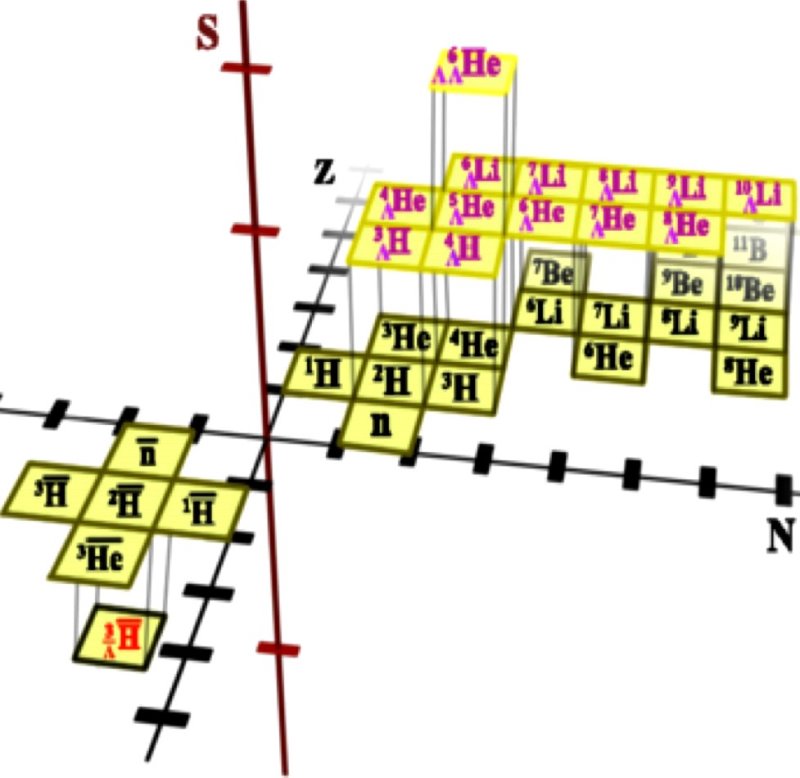
2009 — Discovery of the Strange Anti-Matter
In this Current Science article I discussed the STAR experiment’s evidence for the most massive antinucleus discovered at the time: a negatively charged antimatter state containing an anti-proton, an anti-neutron, and an anti-Lambda particle. It was also the first anti-nucleus containing an anti-strange quark, making it an important result for both antimatter studies and hypernuclear physics.
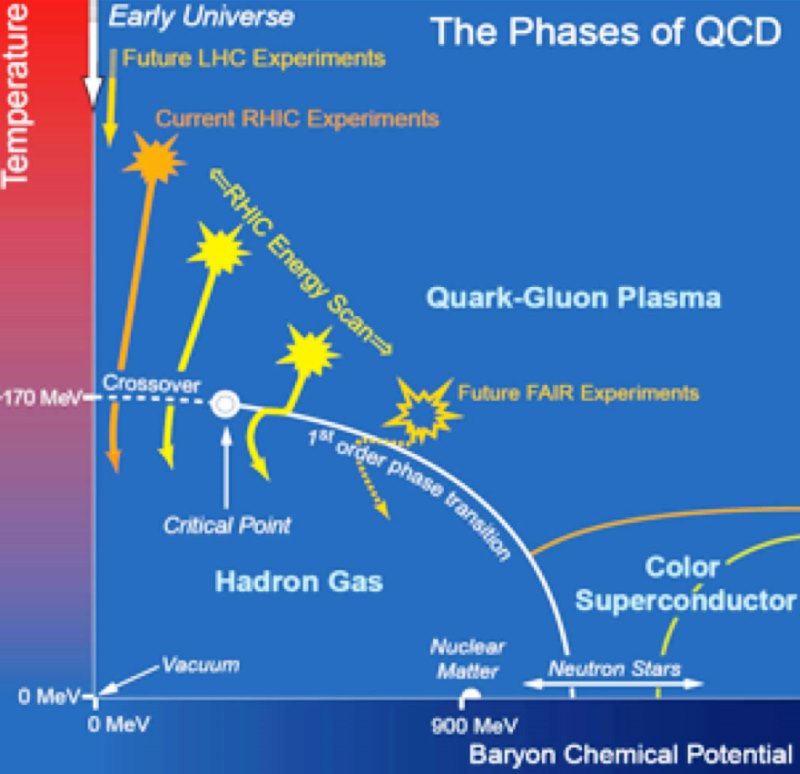
2010 — Launch of a New Experimental Program to Search for the QCD Critical Point
This article explained the motivation for the RHIC Beam Energy Scan and introduced the idea of the QCD phase diagram to a wider readership. It described how strongly interacting matter changes under extreme conditions and why varying temperature and baryon chemical potential in heavy-ion collisions may reveal the critical point and the nature of the phase transition between hadronic matter and quark-gluon plasma.
Current Science article • Science paper on the scale of the QCD phase diagram
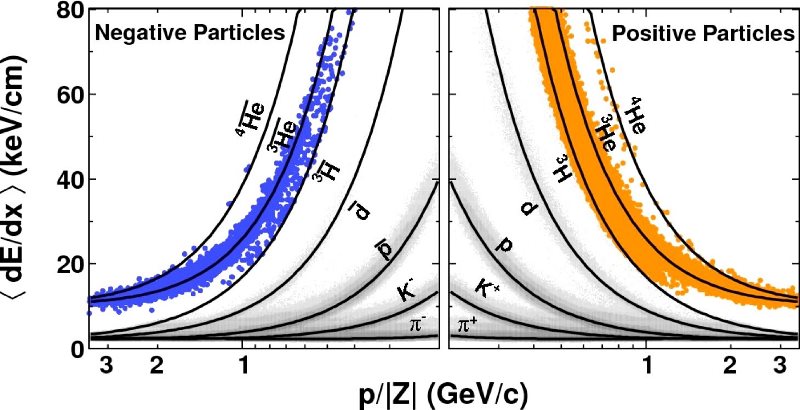
2011 — Discovery of the Heaviest Anti-Matter Nuclei: The Anti-Alpha
This article described the experimental discovery of anti-helium-4 using the STAR Time Projection Chamber and the characteristic ionization-energy-loss technique. It explained how the anti-alpha candidates were identified and why this result mattered for antimatter studies, nuclear physics, and cosmic-ray related questions.
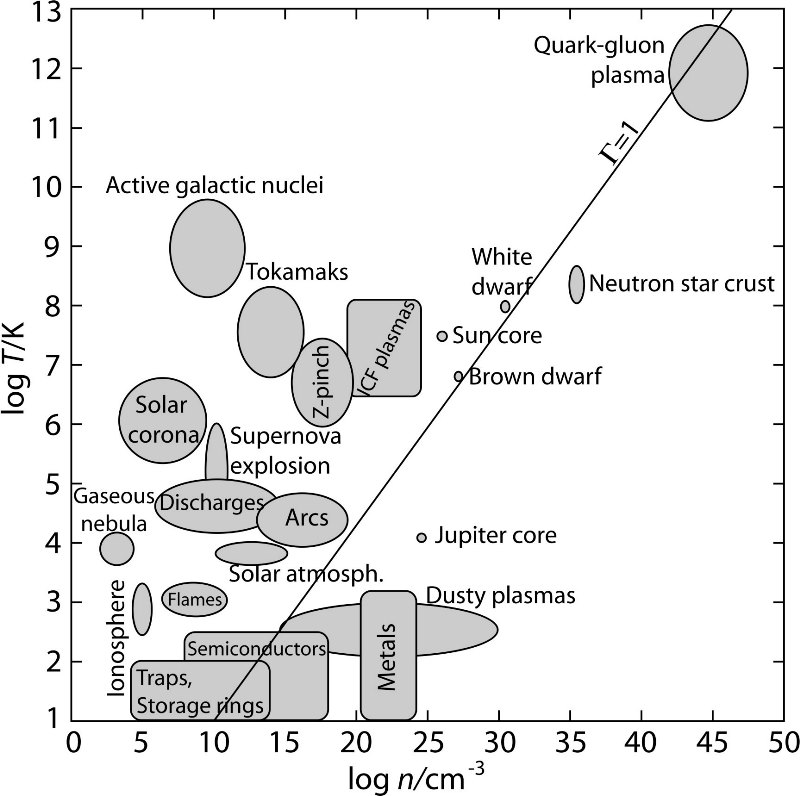
2012 — Formation of Perfect Fluid in High-Energy Heavy-Ion Collisions
This article explained how the quark-gluon plasma created at RHIC and the LHC behaves as a strongly coupled near-perfect fluid. It drew connections between the hottest matter created on Earth and other strongly coupled systems, including ultracold fermionic gases, and highlighted the remarkable smallness of the shear-viscosity-to-entropy-density ratio.
Current Science article • Paper on extracting the shear viscosity to entropy density ratio
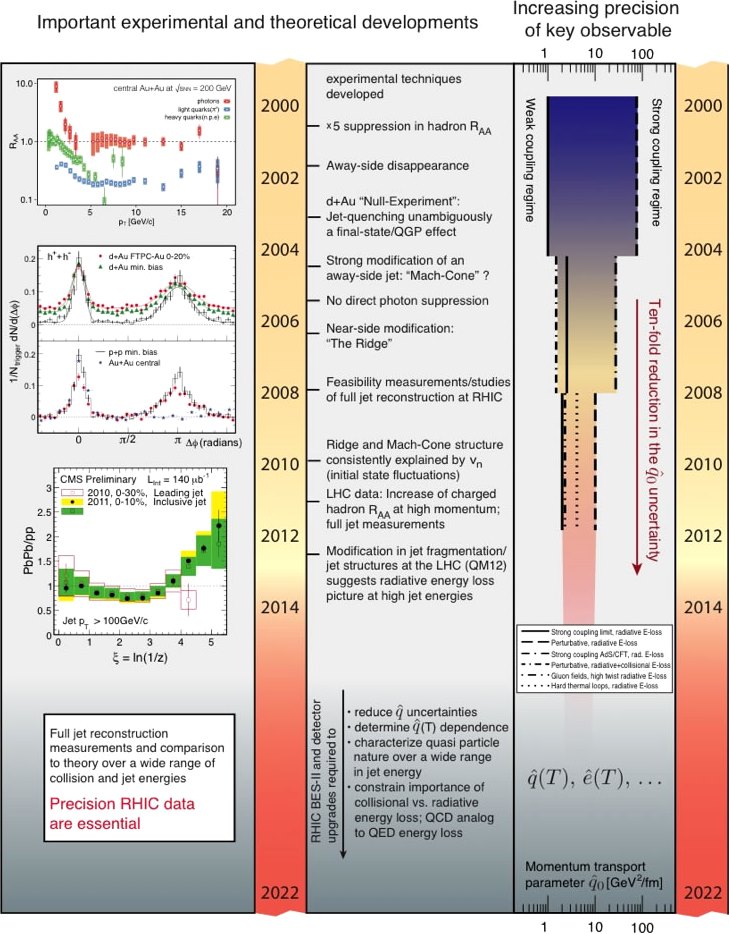
2014 — Properties of Fundamental Constituent of Visible Matter
This article summarized the development of our understanding of the bulk properties of strongly interacting matter, especially the observation that quark-gluon plasma behaves both as a nearly inviscid liquid and as a medium highly opaque to energetic colored probes. It also emphasized how this research opened new directions in relativistic viscous hydrodynamics and strongly coupled quantum field theory.
Current Science article • Paper on opacity measurements in heavy-ion collisions
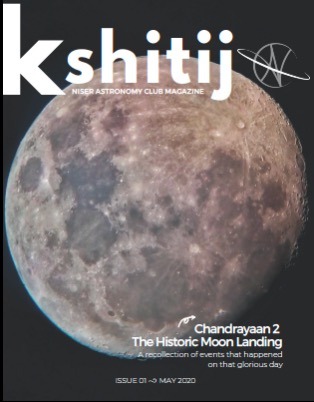
NISER Astronomy Club Magazine — Kshitij (May 2020)
The first magazine of the NISER Astronomy Club captured the spirit of student-led astronomy outreach and scientific curiosity. I contributed a reflection on childhood stargazing, the emotional and intellectual wonder of the night sky, and the role astronomy plays in inspiring a lifelong engagement with science.
Science and Education Outreach in Odisha
Particle Physics Master Class
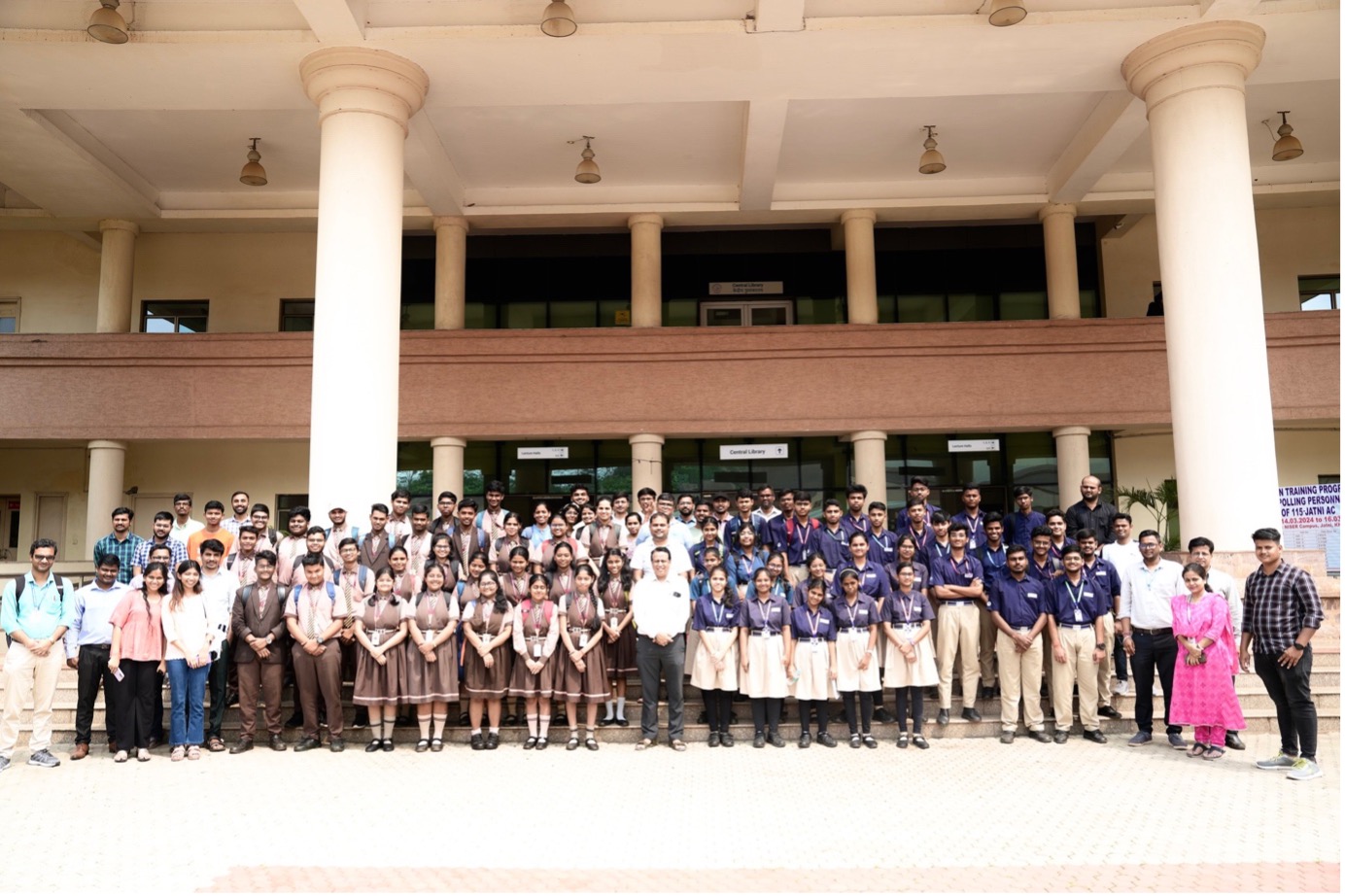
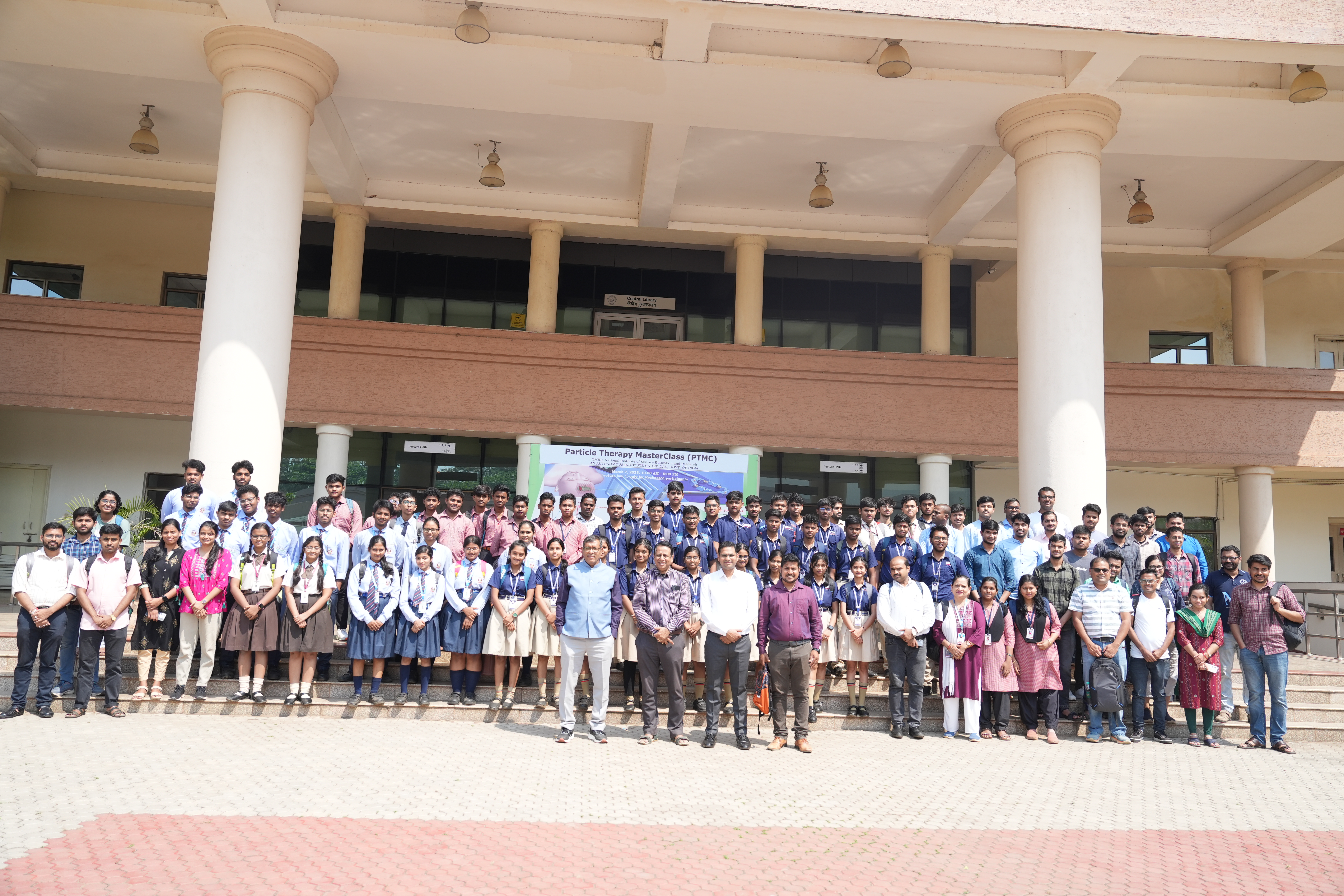
Every year, as the Indian Coordinator of the International Particle Physics Outreach Group (IPPOG), I organize the Particle Physics Master Class at NISER in collaboration with IPPOG. About one hundred school students from the local area participate in this one-day programme, where they are introduced to particle therapy, accelerators, hands-on sessions using MatRad, and an interactive Kahoot quiz.
World Cancer Day Outreach
Every year on 4 February, on the occasion of World Cancer Day, Tata Memorial Centre and NISER, under my leadership, organize a cancer-awareness programme. Typically between five hundred and one thousand people from the local community participate, making it a significant public-health and science-communication event.
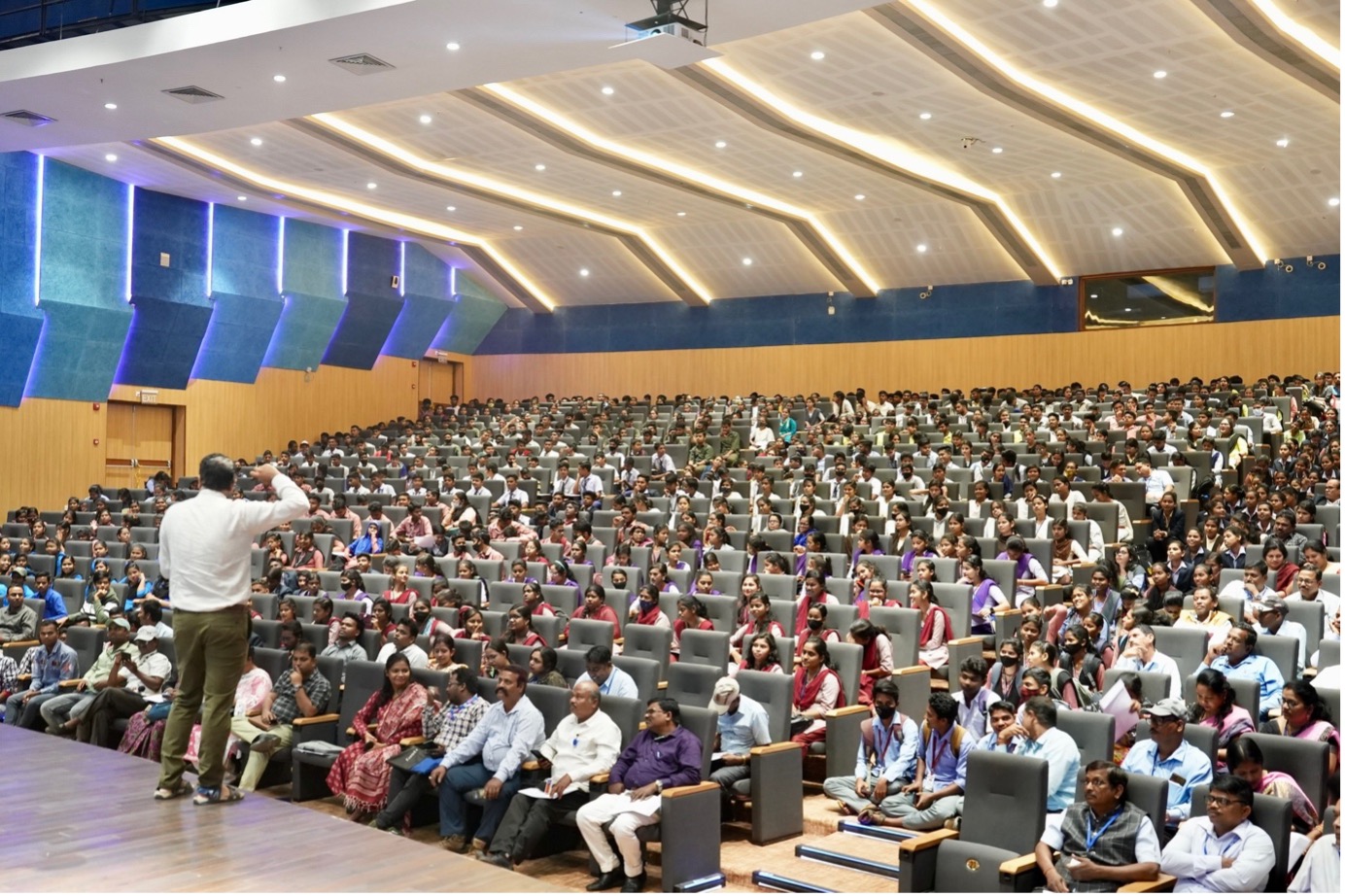
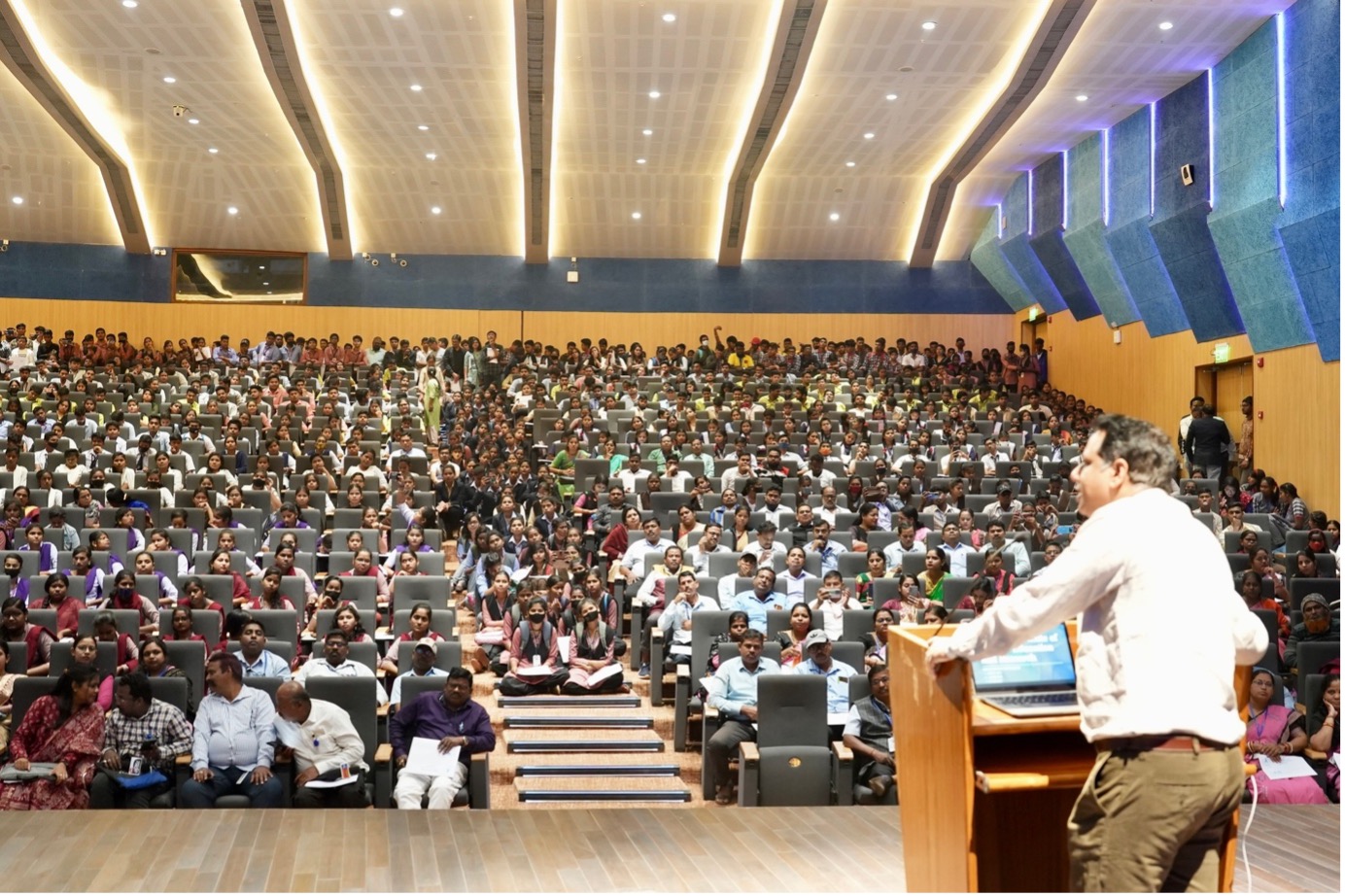
Selected talks and interactions within Odisha
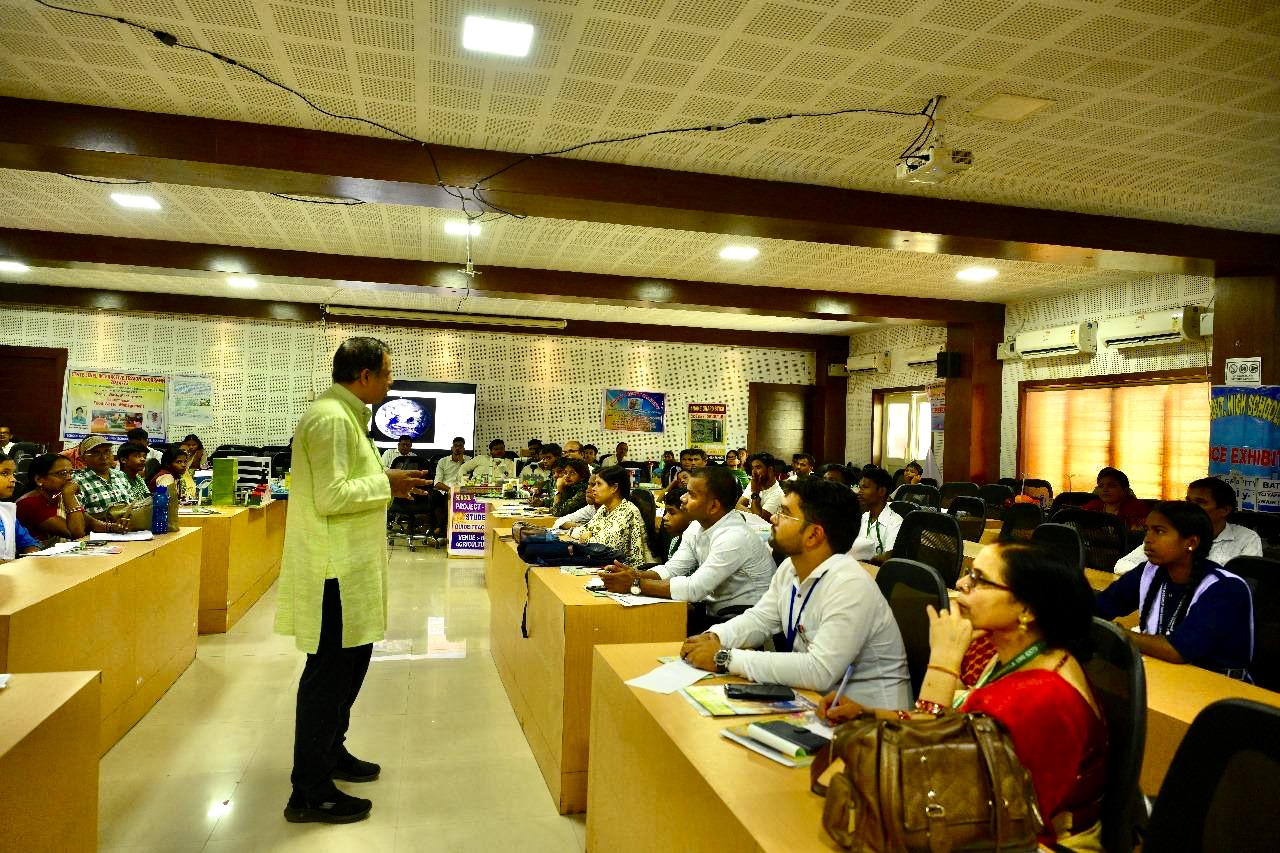
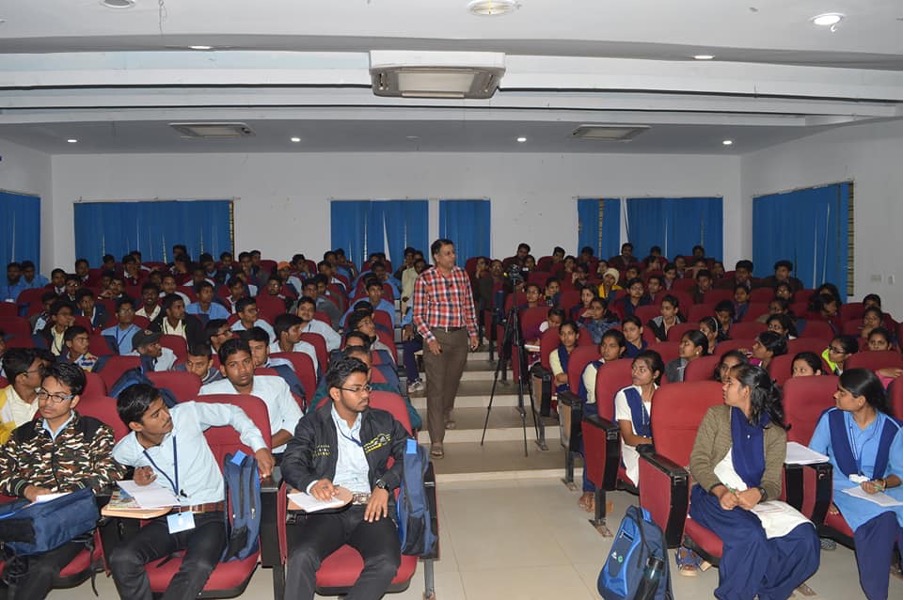
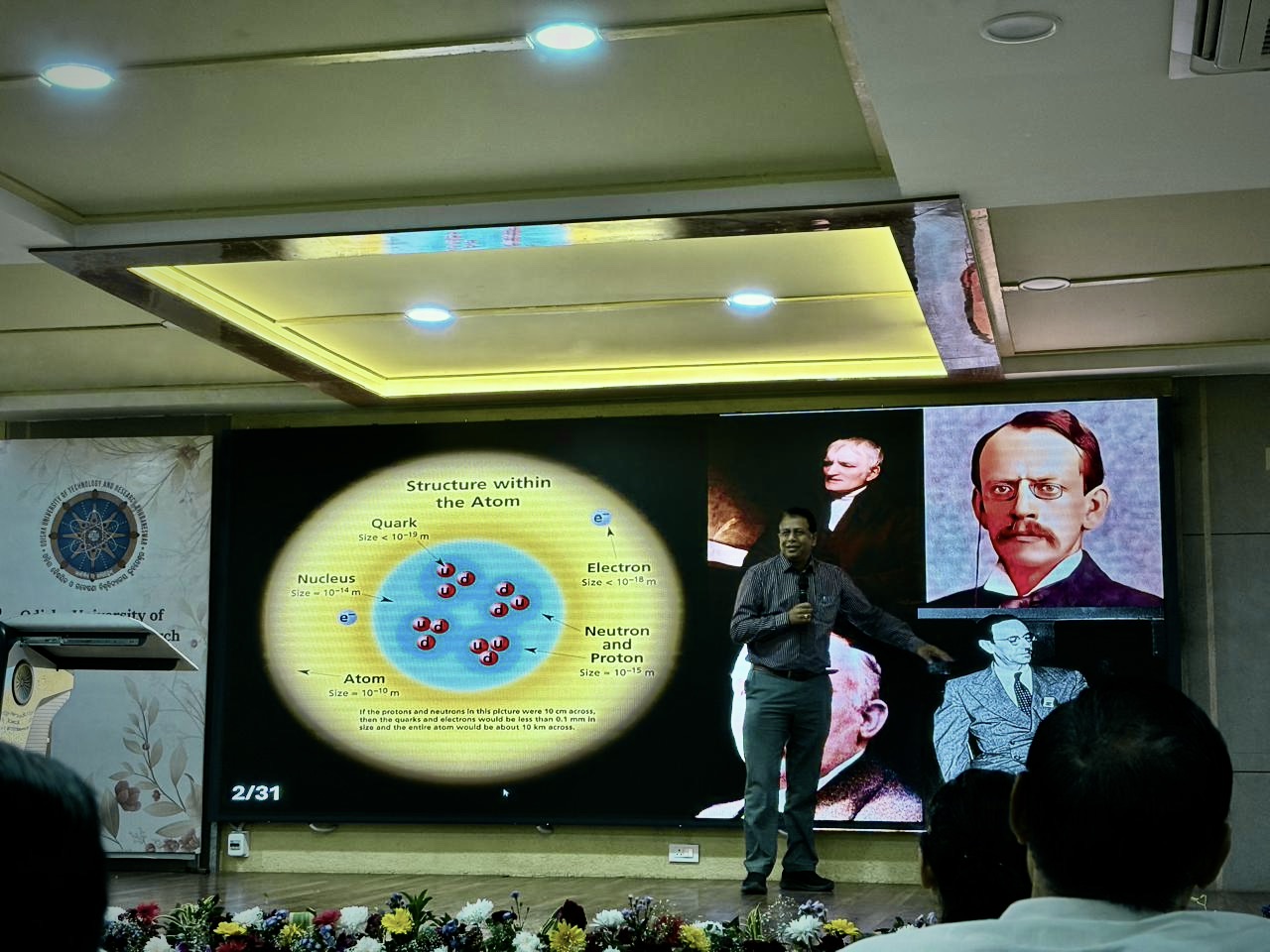
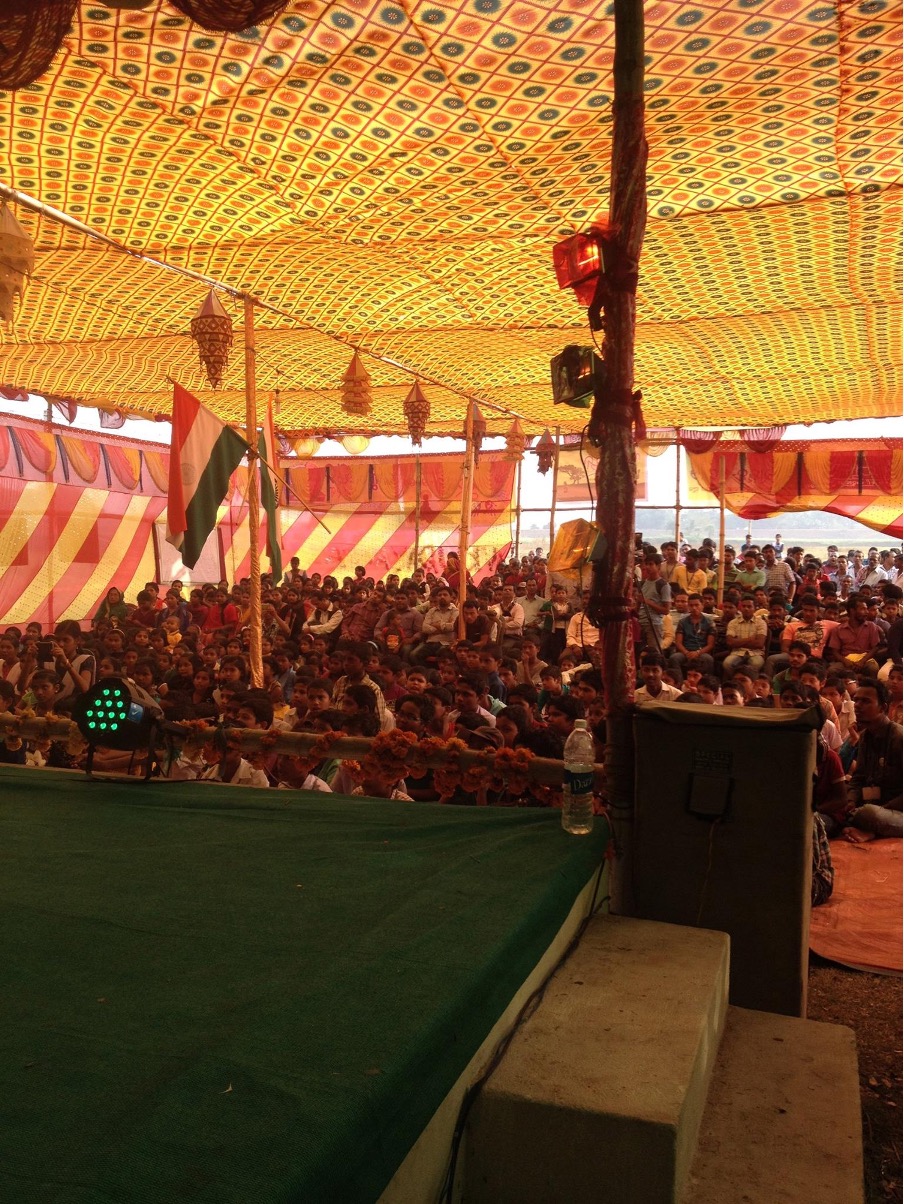
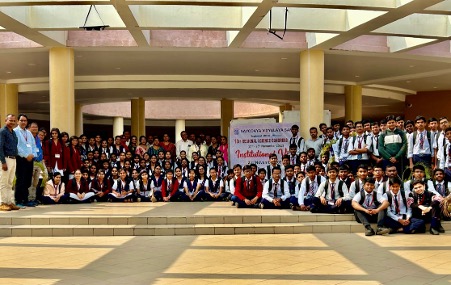
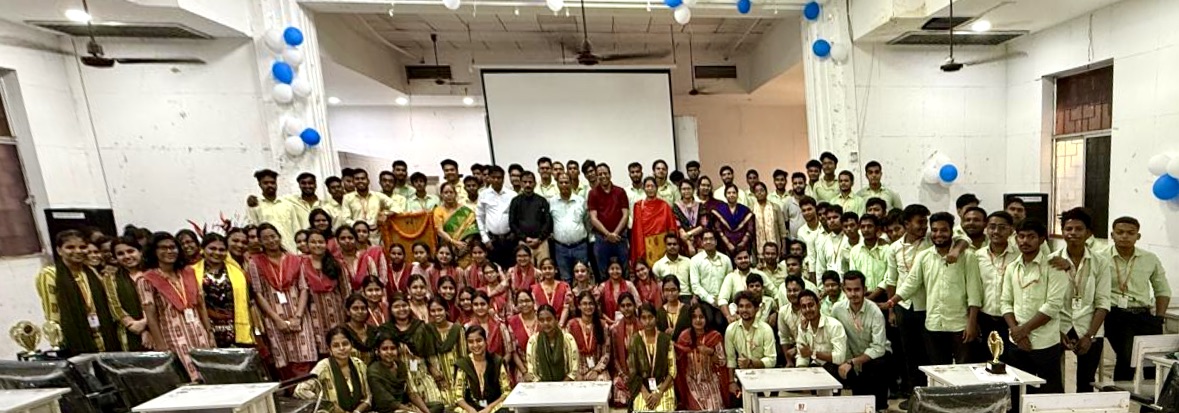
- Banki Autonomous College
- Bhima Bhoi College, Rairakhol
- Kendrapara Autonomous College
- IISER Berhampur
- Ravenshaw University, Cuttack
- Stewart Science College, Cuttack
- Sambalpur University
- Utkal University, Bhubaneswar
- NIT Rourkela
- IIT Bhubaneswar
- AIIMS Bhubaneswar
- Einstein Academy of Technology & Management, Bhubaneswar
- Cohen International School, Khordha
- Carmel School, Khordha
- Odisha Vigyan Mandal, Cuttack
- Fakir Mohan University, Balasore
- KIIT University, Bhubaneswar
- Regional Institute of Education, Bhubaneswar
- B.J.B. College, Bhubaneswar
- CET Bhubaneswar
- OUAT Bhubaneswar
- Siksha O' Anusandhan University, Bhubaneswar
- Shatabdi Bhawan, Cuttack
- Institute of Physics, Bhubaneswar
- IMMT, Bhubaneswar
- Acharya Paryee Mohan Academy, Salepur
- Udayanath College, Adaspur, Cuttack
- C. V. Raman College of Engineering, Bhubaneswar
- Village school and college students from the Lankapara area in Kendrapara district
- Odisha University of Technology and Research, Bhubaneswar
Additional Public Engagement
Teachers, schools, and science camps
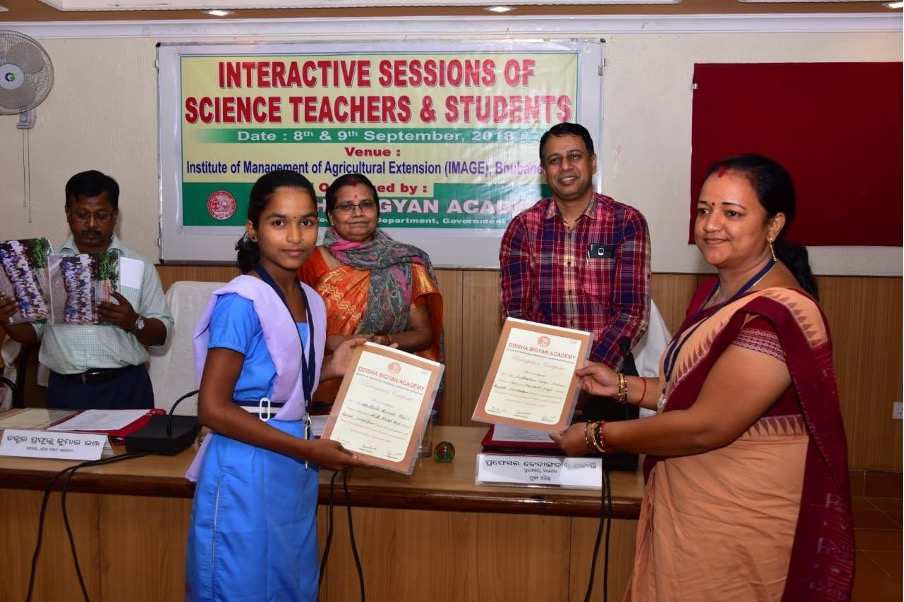
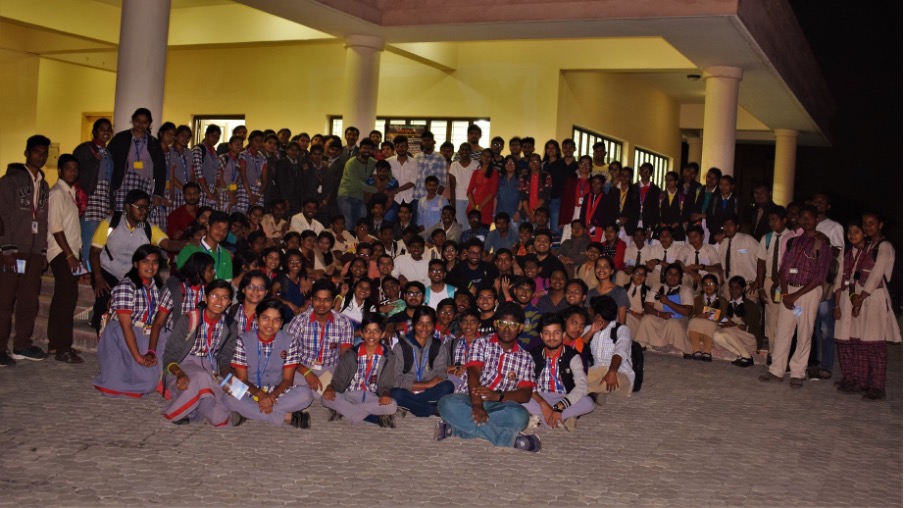
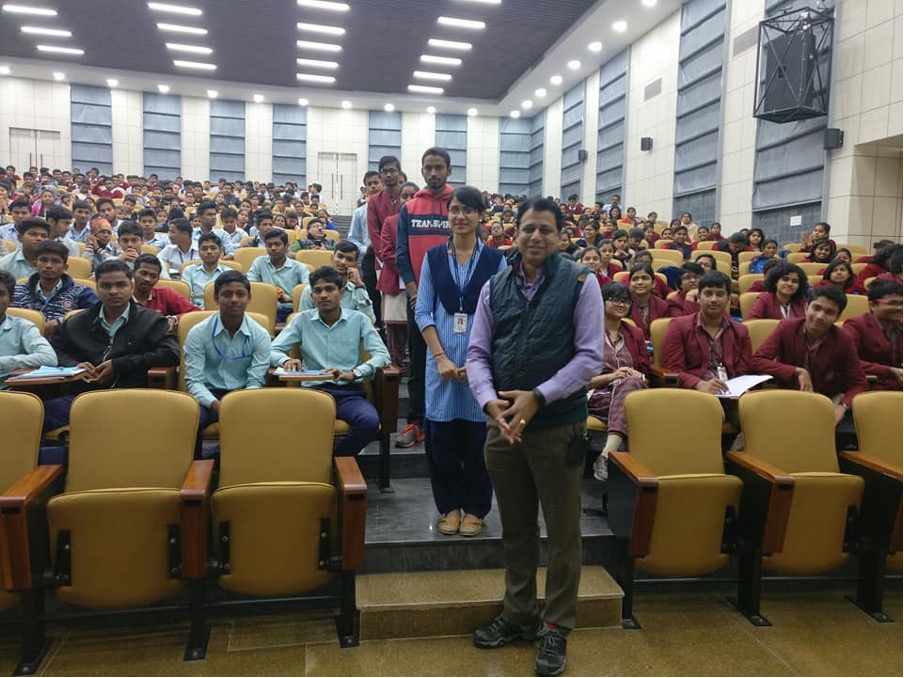
My outreach has included interactions with science teachers and students organized by the Odisha Bigyan Academy, telescope sessions for school students at NISER, and multiple science camps including those at KIIT University and other educational institutions across Odisha.
Broader civic and science engagement
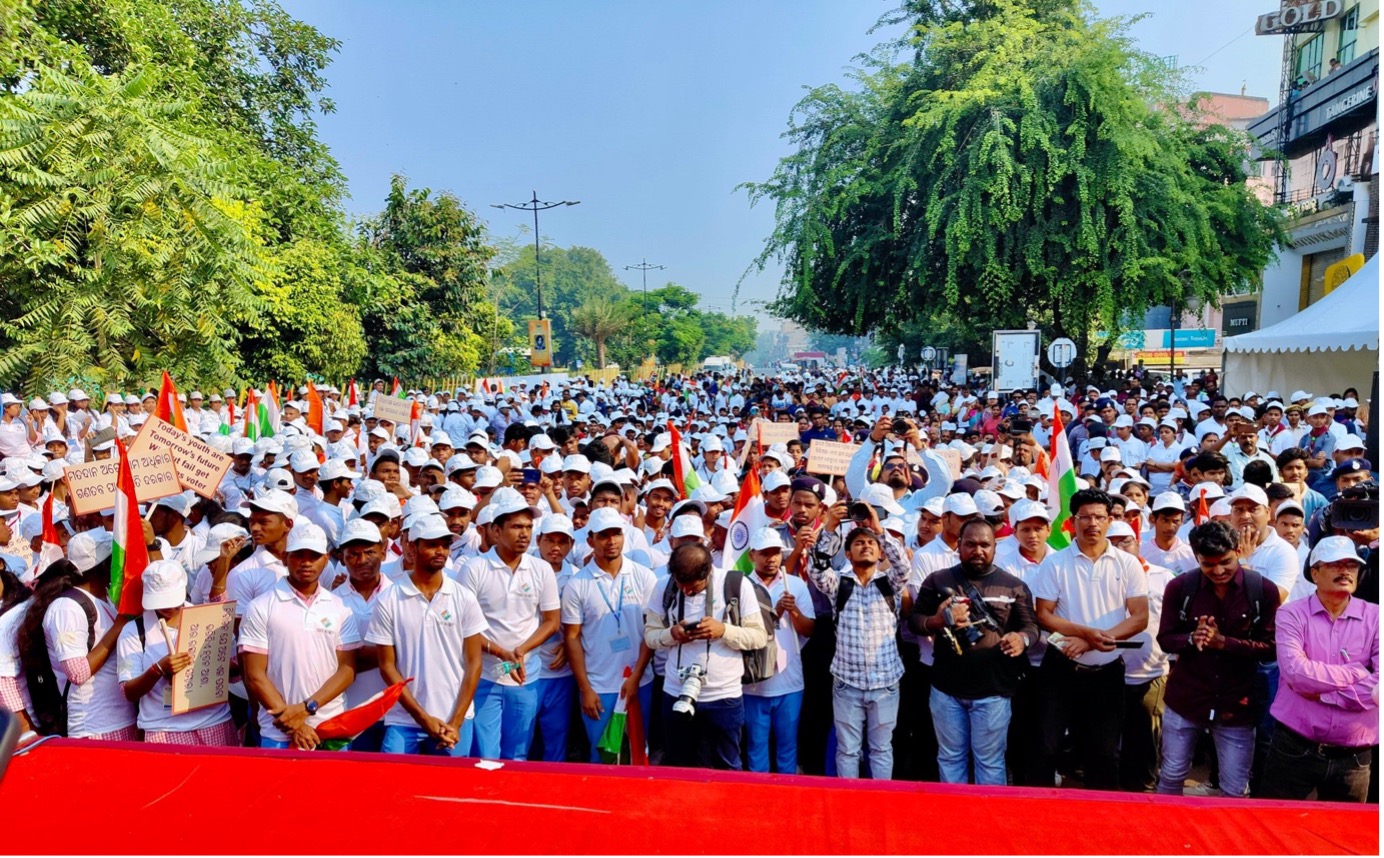
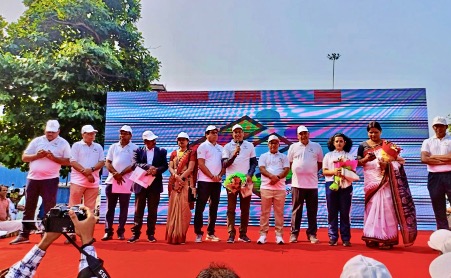
Outreach activities have also included encouraging public participation in voting awareness events with the Election Commission of Odisha, and conducting Indian Physics Association Young Physicists’ meetings involving students from Odisha and other eastern and northeastern states.
Popular Science Talks
- 58th DST INSPIRE Science Internship Camp, January 5–9, 2018.
- 56th DST INSPIRE Science Internship Camp, January 9–13, 2017.
- 52nd DST INSPIRE Science Internship Camp, September 13–17, 2016.
- 50th DST INSPIRE Science Internship Camp, March 9–13, 2016.
- DST INSPIRE Science Internship Camp, January 27–31, 2016.
- 46th DST INSPIRE Science Internship Camp, November 4–8, 2015.
- 43rd DST INSPIRE Science Internship Camp, August 18–22, 2015.
- 36th DST INSPIRE Science Internship Camp, August 19–23, 2014.
- DST INSPIRE Science Internship Camp, January 27–31, 2013.
- INSPIRE Internship Program sponsored by DST, Government of India, July 27–31, 2012.
- July 2012: Recreating Early Universe in Laboratory — mentoring INSPIRE Internship Programme at KIIT University.
- August 2012: Fundamental Building Blocks of Matter (Higgs Discovery) — mentoring INSPIRE Internship Programme at KIIT University.
- January 2013: Recreating Early Universe in Laboratory — Kendrapada Autonomous College, Odisha.
- March 2014: Primordial Matter and its Properties — National Seminar on Recent Trends in Physics, Odisha Bigyan Academy, Utkal University.