Research Areas
Forward Exoplanet Atmosphere Modelling
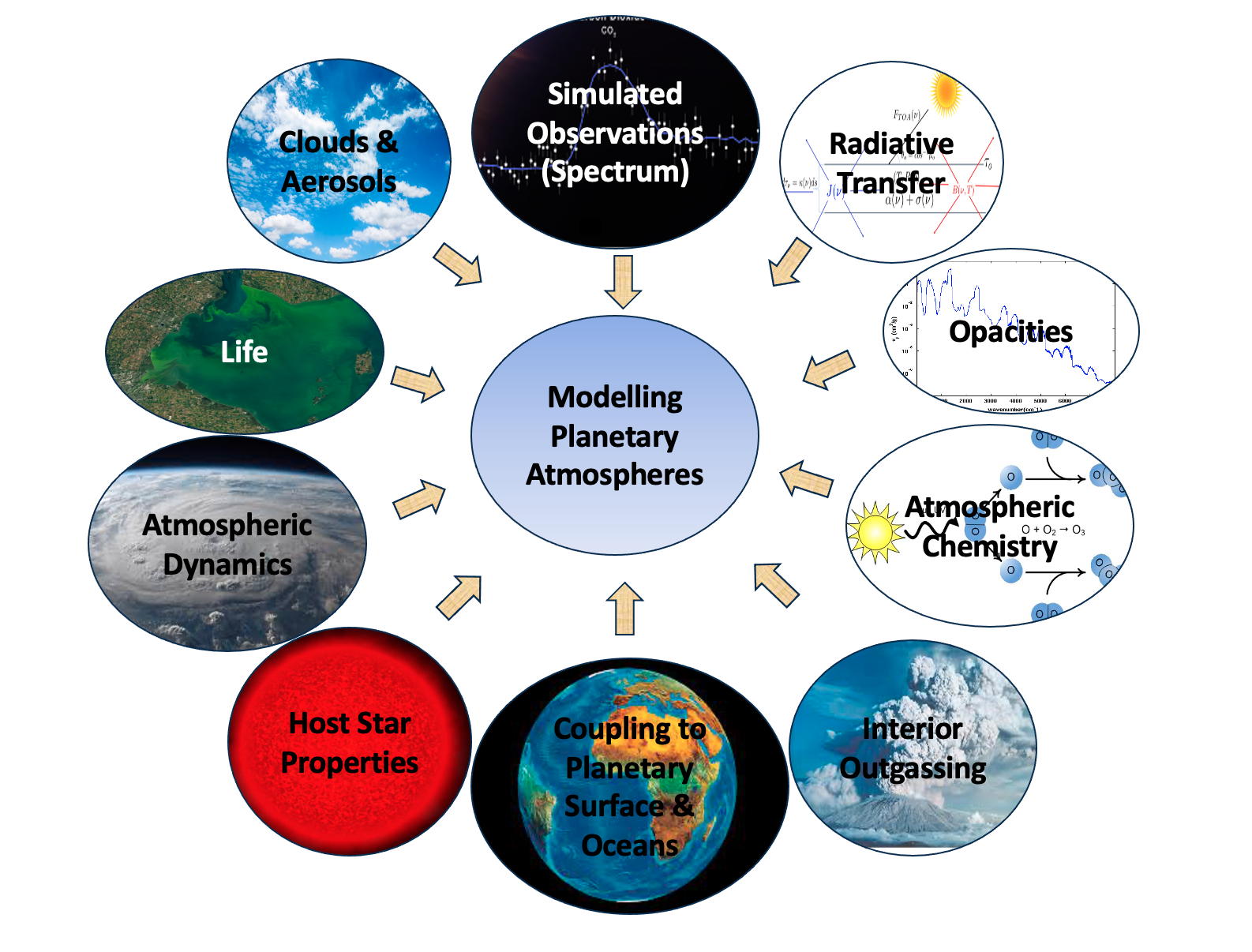
One of the main focus area of the Exoplanets and Planetary Atmospheres research group at NISER is to develop forward models to plan and interpret the observations of exoplanets. Modelling any planet includes modelling different processes and components in that planetary system. This includes modelling radiative transfer, atmospheric chemistry, clouds, interior processes etc., various such processes shown in the Figure. Using such models we further generate simulated spectra of various exoplanet atmospheres and use them to interpret real observations from various telescopes. SANSAR (Suite of Adaptable plaNetary atmoSphere model And Retrieval) is the model developed within this group.
Reducing HST and JWST Observations
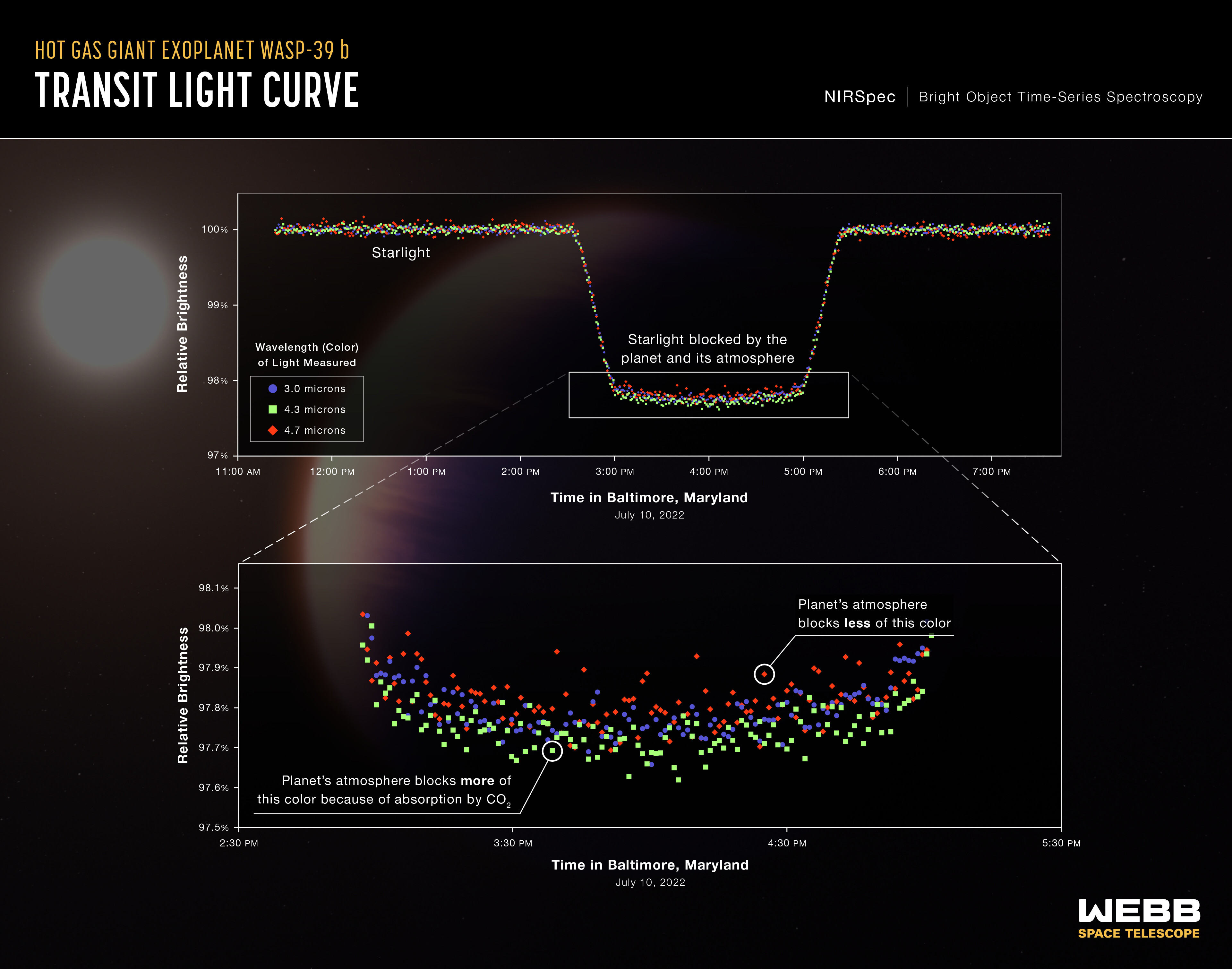
A few group members are involved in reducing the observations that we obtain from Hubble Space Telescope and James Webb Space Telescope. This includes prosessing the raw observations and develop techniques for light curve fitting with different systematics. The two most common observational technique to obtain these exoplanet observations are transmission and emission spectroscopy.
Forward Model Grids
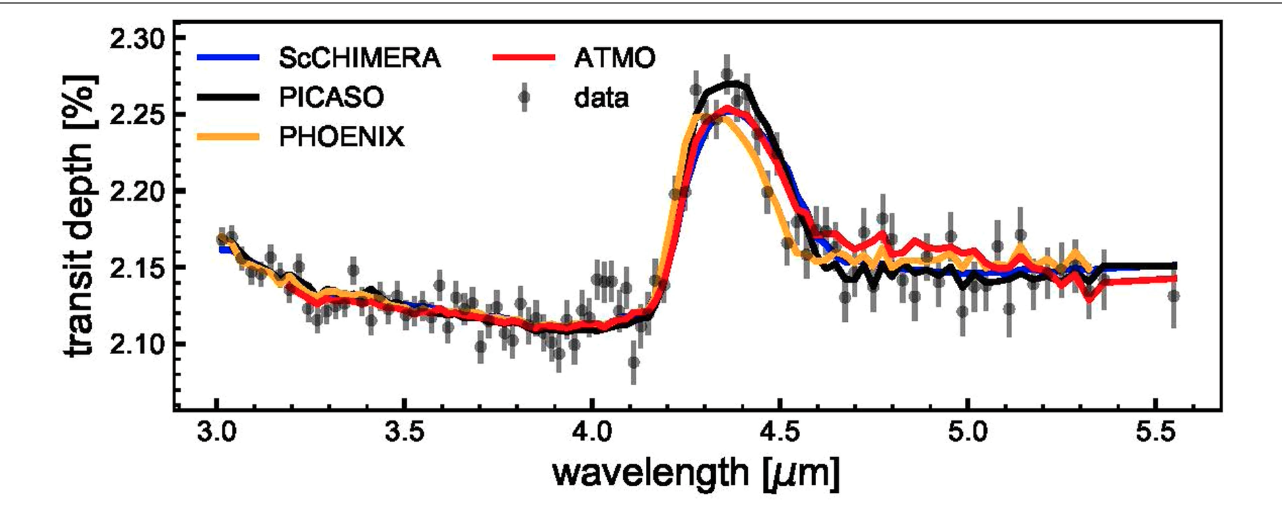
Forward model grids allow us to self-consistently interpret observations of exoplanet atmospheres. A large number of these grids for different planets are generated using ATMO and have been utlized widely to interpret HST and JWST observations. Notable among them is first detection of CO2 in exoplanet atmosphere in WASP-39b.
Inverse Modelling (Retrievals)
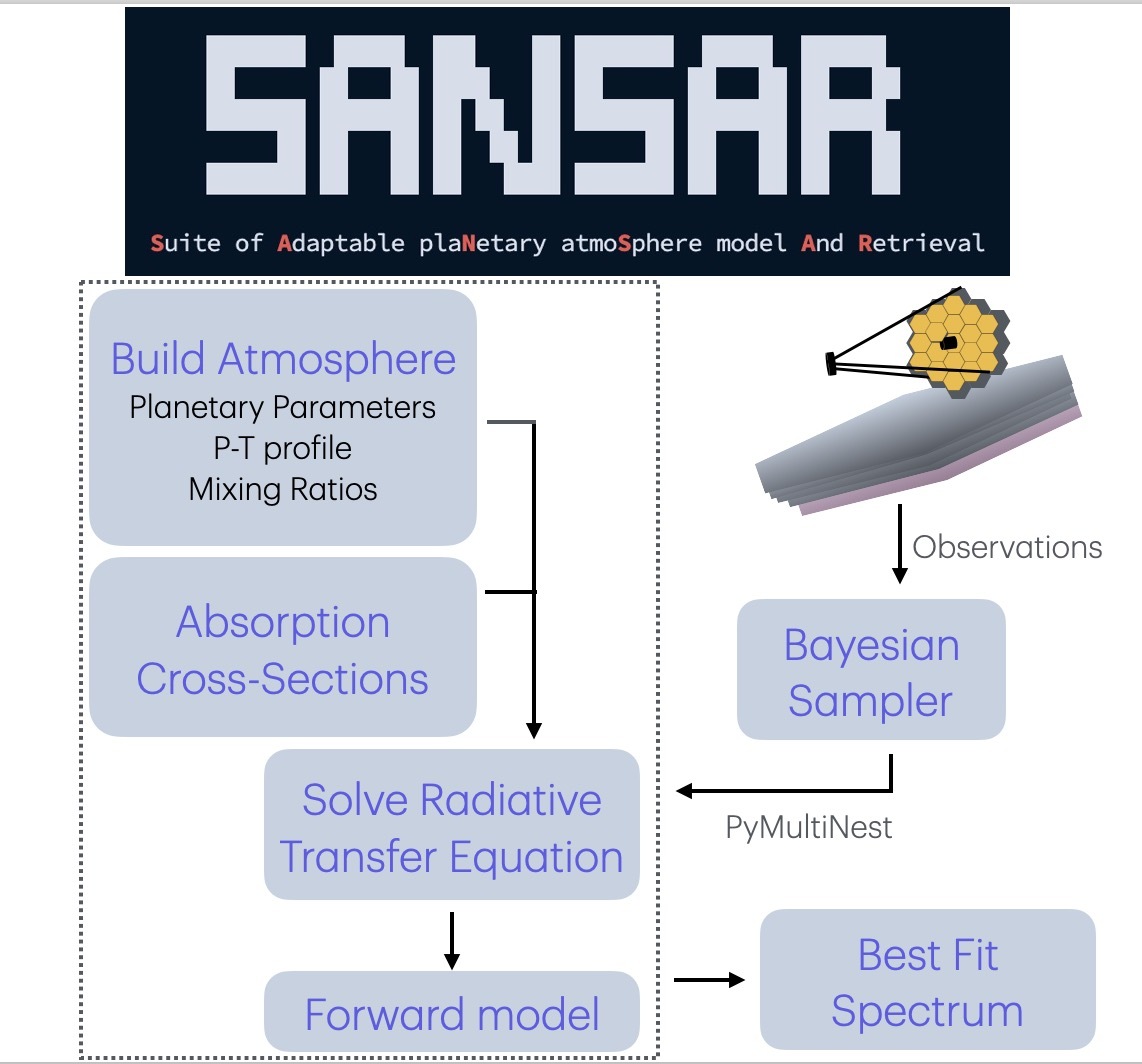
In this approach we couple our forward models (with relaxed physicsl/chemical constraints) to Bayesian samplers or machine learning models to to characterize these far away worlds in detail, constraining different gases present in the planet's atmosphere, their abundances, presence of clouds and haze, temperature structure and may be someday bio-signatures.
Earth
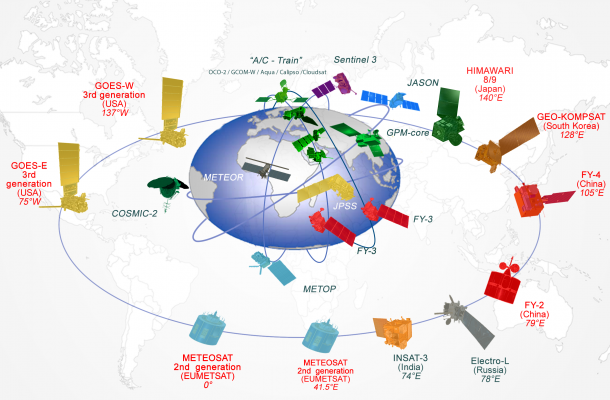
Our group also retrieves properties of the earth's atmospheres and surface such as humidity, sea surface temperature etc. focusing on Indian sub-continent region and utizing observations from INSAT and Meteosat geo-stationary satellites.
Venus
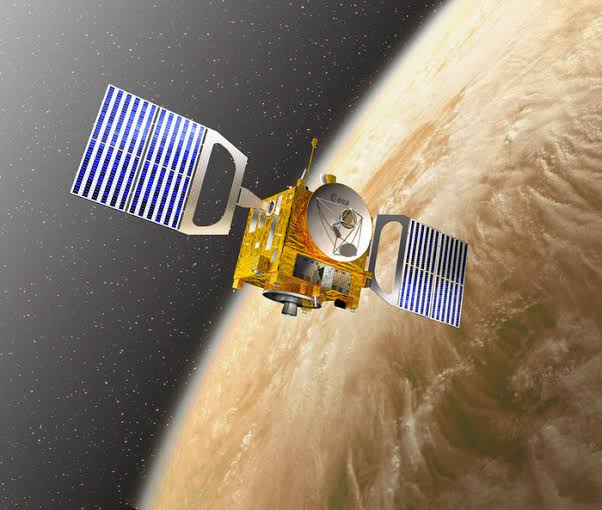
In our group we are developing spectro-polarimetric models for planning observations from Venus Atmospheric SpectroPolarimeter (VASP) instrument onboard Shukrayaan (Venus Orbiter Mission) scheduled to launch in 2028. The same model will also be used to interpret these observations after the launch for detailed constraints on Venusian clouds.